


Pipe Bevel End Vs Plain End
Here's a detailed explanation the two types of pipe ends: Bevel End and Plain End. Our company is a professional and reliable one-stop service manufacturers suppliers exporters. We provide stainless steel, Hastelloy, Inconel, Incoloy, Monel steel pipes, tubes.
Bevel End Pipe(BE):
Bevel End refers to the pipe end cut at an angle, typically used for welding connections.
1. Angle: The standard bevel end angle is typically 30° or 37.5° (measured from the pipe axis), depending on the specific application and standard requirements.
2. Land Width: The flat area of the bevel (land width) is usually around 1.6 mm, which helps control the weld thickness during welding.
Uses
- Welding Connections: Bevel ends are primarily designed for butt welding, providing high strength and reliability, suitable for high-pressure, high-temperature, and demanding environments.
- High-Strength Joints: Welded joints with bevel ends have the same strength and pressure resistance as the pipe body, ideal for applications requiring high strength and sealing.
Applications
- Oil and gas pipelines
- Chemical and petrochemical equipment
- Power and nuclear plant piping systems
- Marine and shipbuilding engineering
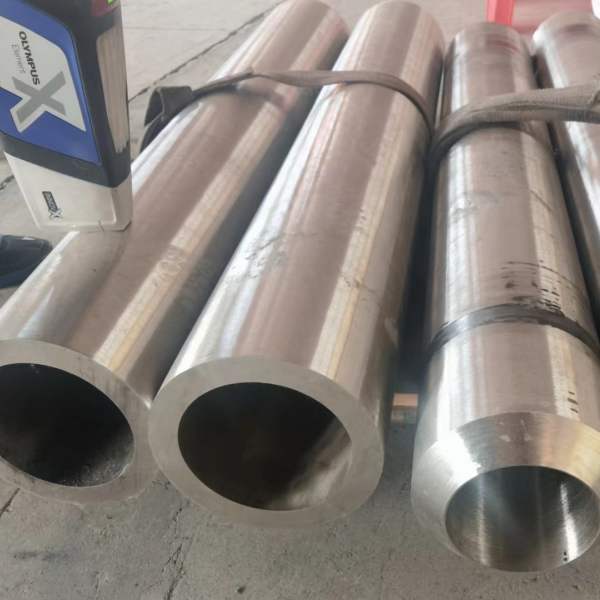
Plain End Pipe(PE)
Pipe Plain End refers to the pipe end cut flat and smooth, typically used for mechanical connections.
1. Flat Cut: The pipe end is cut flat without any bevel or other processing.
2. Smooth Surface: The end is usually deburred and smoothed to ensure good sealing and connection performance.
Uses
- Mechanical Connections: Plain ends are used for mechanical connections such as threaded connections, flanged connections, and slip-on connections.
- Ease of Disassembly: Mechanical connections allow for easier disassembly and maintenance of the piping system.
Applications
- Water supply and drainage systems
- Firefighting pipelines
- HVAC (Heating, Ventilation, and Air Conditioning) systems
- Industrial and residential piping systems
Comparison Pipe Bevel End Vs Plain End
| Feature | Bevel End | Plain End |
|---|---|---|
| Processing Method | End cut at an angle | End cut flat |
| Primary Connection | Butt welding | Mechanical connections (threaded, flanged, slip-on) |
| Typical Applications | High-pressure, high-temperature, requiring high-strength connections | Water supply, drainage systems, HVAC, easy disassembly and maintenance |
| Advantages | Provides high strength and high sealing | Easy connection and disassembly, wide range of applications |


